Juan Tamad is an English-language guide to Filipino folklore, mythology, language, names, traditions, and culture, made for Filipinos in the United States and Canada. Many of us grew up hearing Filipino words at the dinner table without ever learning what they meant, or knowing a holiday tradition without knowing where it came from.
Others grew up in the Philippines with these stories and want to keep them alive far from home. This site is for both of us.
Why a Site Named for a Lazy Folk Hero
Juan Tamad, whose name means “Lazy John” (Juan is the Spanish form of John, and tamad is Tagalog for lazy), is a character in Philippine folklore known for his laziness. One of his best-known stories has him lying under a guava tree, with his mouth open, too lazy to climb it, waiting for the fruit to fall.
We named the site after him because his stories are a familiar, funny doorway into a much larger body of Filipino storytelling. Juan Tamad is easy to laugh at, but the tales about him are also about family, work, and what a community expects of its members.
Starting with him, the site works outward to the legends, myths, words, and customs that sit alongside his stories.
Who This Site Is For
We write for Filipinos raised or living in North America, and for anyone who loves them. That includes Filipinos who grew up in the Philippines, heard these stories firsthand from their lolas (LO-las, grandmothers) and lolos (LO-los, grandfathers), and read them in books bought from National Book Store, the Philippines’ best-known bookstore chain, and who now want to remember their lessons and share them.
It also includes second- and third-generation Filipino Americans and Filipino Canadians, parents who want to pass traditions on to their children, students in Filipino studies classes and Filipino American student groups, teachers looking for classroom material, and people who have married into Filipino families.
Many of our readers don’t read Filipino, and many grew up with Cebuano, Ilocano, or another Philippine language instead of Tagalog, the language on which Filipino, the national language, is based. That is why every page is written in English.
When we use a Filipino word, we put it in italics the first time it appears, explain how to say it, and give its meaning. Our Glossary collects these words in one place.
What You Will Find Here
The site is organized into six sections: folklore, mythology, language, names, traditions, and culture. Folk tales are retold in English from published collections, with each version’s source named.
Mythology pages separate what early written records and documented oral traditions say from details added by modern books, games, and websites. Language pages explain the words heritage learners hear most often.
Tradition pages cover the holidays and life events families keep, including how they are celebrated in the United States and Canada. Names pages explain how Filipino first names, last names, and nicknames work, and where they come from.
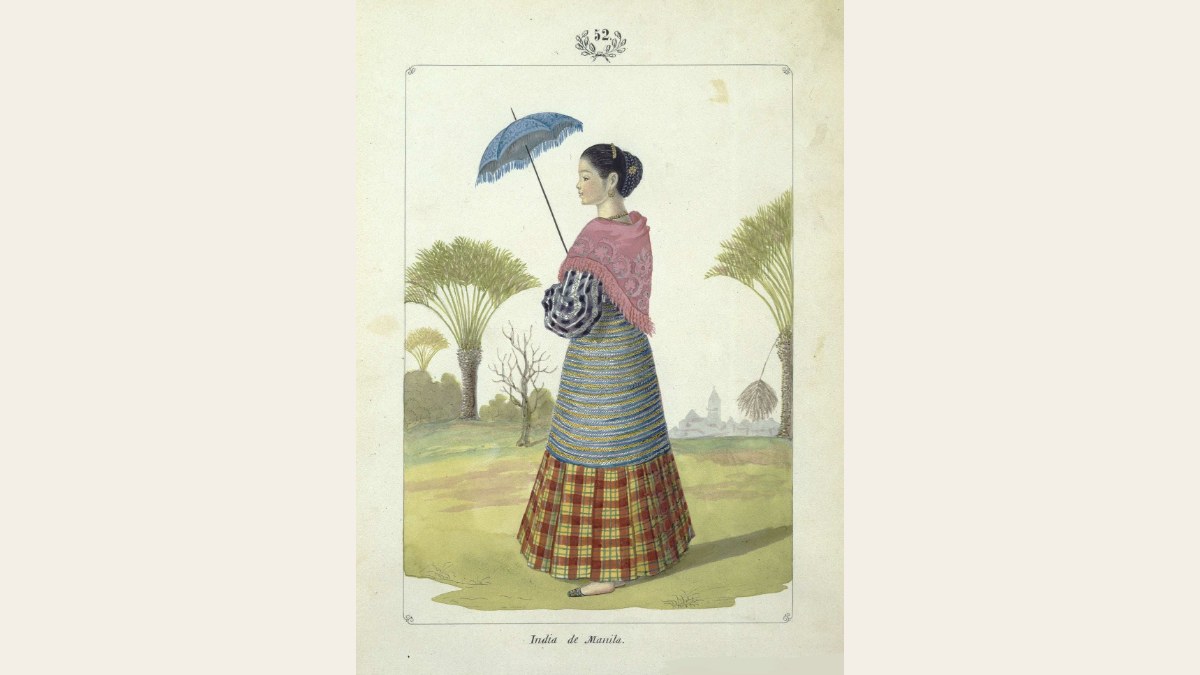
Culture pages cover Filipino values, customs, dress, arts, and games.
How We Work
Every page is written from sources we have read, and every factual claim is checked against those sources before the page is published. Our Editorial Standards page explains the process in detail, including how we handle stories that exist in many versions and how to report a mistake.
An Independent Publication
Juan Tamad is an independent publication. We are not affiliated with any government, church, or cultural organization.
If you are a teacher, a student group, or a community organization and would like to use our material or suggest a topic, please get in touch through our Contact page.